Key Takeaways
- check_circle IASTM uses specialized tools to apply controlled pressure to muscles, tendons, and other soft tissues.
- check_circle It may help reduce pain and stiffness while improving range of motion and mobility.
- check_circle IASTM can support recovery from muscle strains, tendon-related pain, and movement restrictions.
- check_circle It works best as part of a broader rehabilitation plan, alongside mobility, strengthening, and movement-based exercises.
- check_circle Optimize Physiotherapy & Sport Medicine is a top-rated Ottawa clinic with certified physiotherapists providing personalized IASTM treatment as part of comprehensive rehabilitation and recovery programs.
Pain, stiffness, or restricted movement can make everything from working and exercising to everyday activities more difficult. When these symptoms involve muscles, tendons, or other soft tissues, your physiotherapist may recommend Instrument-Assisted Soft Tissue Mobilization (IASTM) as part of your treatment plan.
IASTM uses specialized handheld tools to apply controlled pressure to targeted areas of the body. The technique may help reduce pain and improve range of motion, making it easier to move and progress through rehabilitation exercises.
In this guide, we’ll explain how IASTM works, its potential benefits, what treatment feels like, and when it may be used as part of physiotherapy in Ottawa.
What Is IASTM Treatment?
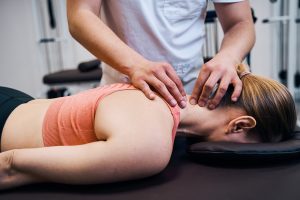
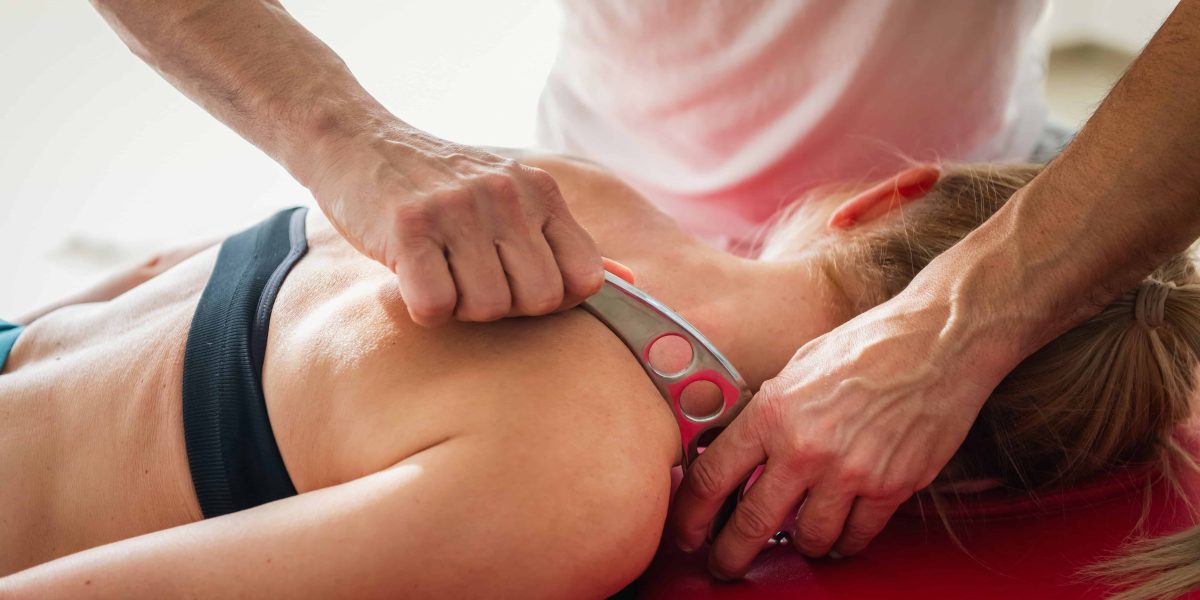
IASTM stands for Instrument-Assisted Soft Tissue Mobilization. It is a hands-on treatment technique where a physiotherapist uses specialized handheld tools to apply controlled pressure and movement over muscles, tendons, fascia, and other soft tissues.
Instead of using only their hands, the physiotherapist moves the instrument across targeted areas to assess and treat tissue that may be painful, sensitive, or limiting your movement. The pressure, direction, and technique can be adjusted based on the area being treated and your comfort level.
You may also have heard of the Graston Technique®. Graston is a specific branded method of instrument-assisted soft tissue treatment, while IASTM is the broader category of techniques that use these types of tools.
IASTM is generally used alongside other physiotherapy treatments, such as mobility exercises, stretching, strengthening, and movement retraining, rather than as a standalone treatment.
How Does IASTM Work?
During IASTM treatment, a physiotherapist glides a specialized instrument over the skin while applying controlled pressure to the targeted soft tissue. The amount of pressure, direction, and speed can be adjusted depending on the area being treated, your symptoms, and your comfort level.
This creates mechanical and sensory stimulation in the treated area. Research suggests that this stimulation may temporarily influence how the nervous system perceives pain, reduce tissue sensitivity, and improve range of motion. For some patients, this can make movement feel easier and allow them to perform mobility or strengthening exercises more comfortably.
IASTM is sometimes described as “breaking up” scar tissue or adhesions. However, it is more accurate to think of the technique as a way to influence pain, mobility, and tolerance to movement, rather than physically scraping away scar tissue.
What Conditions Can IASTM Help With?
IASTM can be incorporated into physiotherapy treatment for a variety of musculoskeletal conditions, particularly when pain, stiffness, or restricted movement is affecting everyday activity or exercise.
-
IASTM may be incorporated into rehabilitation for conditions affecting tendons around the shoulder, elbow, knee, ankle, and other areas.
-
IASTM can be used as part of a treatment plan for heel and foot pain associated with plantar fasciitis.
-
IASTM may help manage pain and restricted movement while gradually returning the affected muscle to activity.
-
IASTM can complement rehabilitation for symptoms that develop from repetitive movements, work, training, or sports.
-
IASTM may help reduce sensitivity and improve movement in some people experiencing persistent musculoskeletal pain and stiffness.
-
IASTM may be used to help improve comfort and mobility around affected areas as part of a broader physiotherapy treatment plan.
-
IASTM may be considered when soft-tissue sensitivity or stiffness is contributing to limited range of motion.
-
In appropriate stages of recovery, IASTM may be incorporated into rehabilitation to help address mobility restrictions and support a gradual return to movement.
IASTM isn't appropriate for every injury or every stage of recovery. A physiotherapist will assess your symptoms, movement, medical history, and goals before determining whether IASTM should be included in your treatment plan.
What Does IASTM Treatment Feel Like?
During IASTM, you’ll typically feel the instrument gliding across the skin with varying levels of pressure. Some people describe it as a scraping or rubbing sensation, particularly when the physiotherapist works over a sensitive or tight area.
The treatment should remain tolerable. You may experience mild tenderness, warmth, or temporary redness in the area during or after treatment, but IASTM does not need to be extremely painful or cause significant bruising to be effective.
Your physiotherapist can adjust the pressure and technique throughout the session based on how the area responds and what feels comfortable for you.
What Happens During an IASTM Physiotherapy Session?
IASTM is usually one part of a physiotherapy session rather than the entire treatment. At Optimize Physiotherapy, treatment is tailored to your symptoms, movement, and recovery goals.
Assessment
Your physiotherapist evaluates your symptoms, range of motion, strength, and movement to understand what may be contributing to the problem.
This approach helps turn any short-term improvements in pain or mobility into active progress toward better movement and function, rather than relying on IASTM as a passive treatment alone.
IASTM vs. Massage: What’s the Difference?
Both IASTM and massage work with soft tissues, but they use different techniques. Here’s how they compare:
| Attribute | IASTM | Massage Therapy |
|---|---|---|
| How it's applied |
Uses specialized handheld instruments over targeted soft tissues
|
Primarily uses the therapist's hands to work with soft tissues
|
| Pressure |
Controlled pressure and movement adjusted to the treatment area
|
Can range from light to firm depending on the technique and treatment goals
|
| Treatment focus |
Often targets specific areas of pain, sensitivity, or restricted movement
|
Can address broader muscle tension, discomfort, relaxation, or specific problem areas
|
| Common goals |
Reduce sensitivity, improve range of motion, and make movement more comfortable
|
Reduce muscle tension and discomfort, improve mobility, and promote relaxation
|
| Role in treatment |
Often incorporated into physiotherapy alongside mobility, strengthening, and movement exercises
|
May be used as a standalone massage treatment or alongside other rehabilitation approaches
|
Not sure which approach is right for you? Your physiotherapist can assess your symptoms, movement, and goals and recommend the most appropriate treatment.
IASTM Treatment in Ottawa at Optimize Physiotherapy
At Optimize Physiotherapy & Sport Medicine, IASTM isn’t treated as a standalone fix. Our physiotherapists look at your symptoms, movement, strength, and goals to understand what may be contributing to your pain or mobility limitations.
When appropriate, IASTM can be incorporated into a personalized physiotherapy plan alongside mobility work, strengthening, movement retraining, and other hands-on techniques. The focus is not simply on providing temporary relief, but on helping you move better, build capacity, and return to the activities that matter to you.
Move Better. Get Back to What You Love.
Pain or restricted movement shouldn’t keep you from doing the things that matter. Our Ottawa physiotherapists can assess what’s holding you back and build a treatment plan around your goals.
Book a Physiotherapy Appointment