What Is Blood Flow Restriction (BFR) Training?
How BFR Enhances Recovery and Strength
One of the standout benefits of BFR training is its ability to accelerate recovery while simultaneously building muscle. Here’s how:
- Muscle protein synthesis increases due to higher levels of growth hormone, which helps muscle tissues repair and grow.
- Strength gains can be achieved with just 20–30% of your maximum effort, making it a safe and accessible approach.
- Joint-friendly design reduces stress on healing tissues, allowing earlier intervention and progress.
Whether you’re recovering from an ACL injury or dealing with shoulder instability, physio treatment that includes BFR can help restore strength more quickly and safely than conventional methods.
BFR is especially valuable in sports injury physio settings, where the goal is often to maintain strength during downtime without risking further injury.
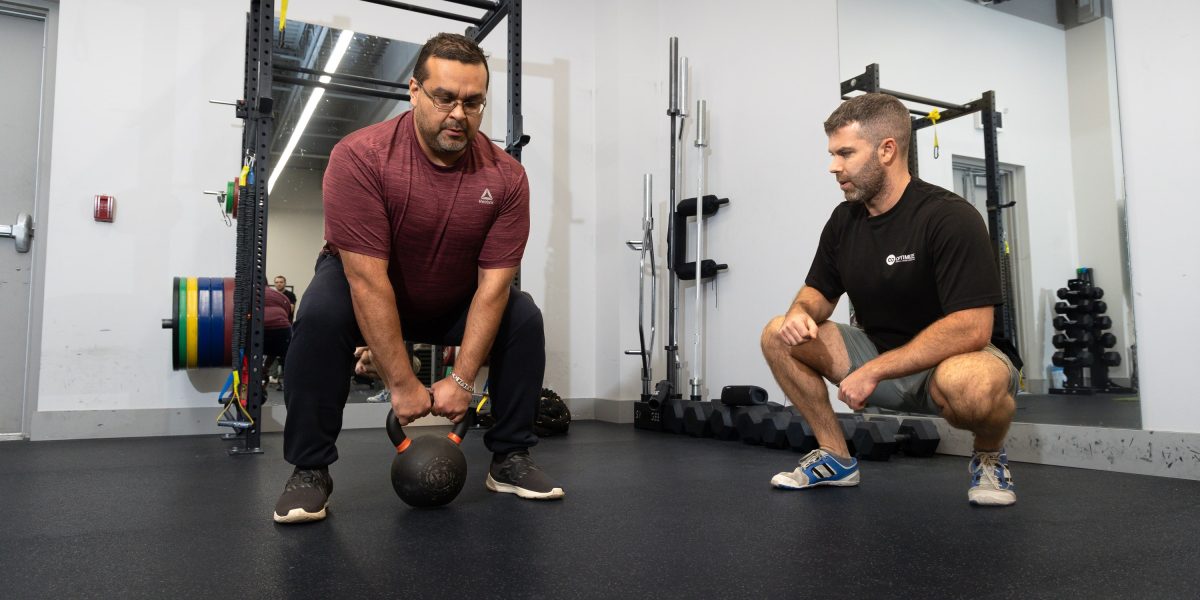
Who Should Consider BFR Training?
BFR isn’t just for elite athletes. It’s used in expert physiotherapy settings across Canada to help:
- Post-operative patients rebuild muscle after procedures like ACL or rotator cuff repair
- Athletes recovering from sprains, strains, or surgeries
- Individuals with arthritis or chronic joint pain seeking low-impact strength training
- Older adults aiming to prevent muscle loss or improve function safely
At Optimize Physio and Sport Medicine, our experienced team utilizes BFR as part of custom rehabilitation programs tailored to each individual’s specific goals. Whether you’re visiting a physio clinic for the first time or returning for treatment, BFR may be the next smart step in your recovery.
Even if you found us by searching for ‘physio near me,’ our approach to cutting-edge therapies, such as BFR training, sets us apart from traditional physiotherapy services.
What to Expect During BFR Sessions
A typical BFR session at a sports physiotherapy clinic like Optimize includes:
Assessment: We evaluate your injury, goals, and medical history to determine whether BFR is an appropriate treatment option.
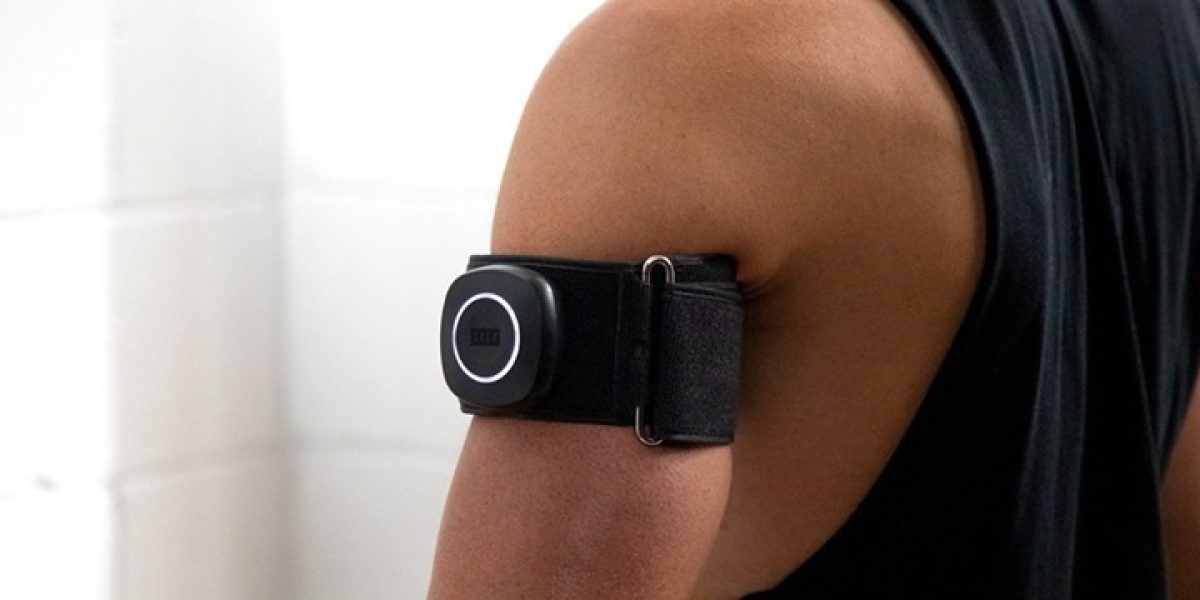
Cuff Placement: A specialized cuff or tourniquet is applied to your upper arm or thigh and inflated to the correct pressure.
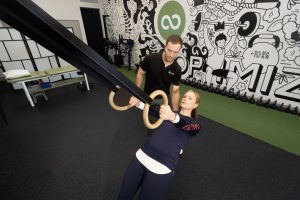
Low-Load Exercises: Guided by a physiotherapist, you’ll perform resistance movements under restriction.
Monitoring: Circulation, performance, and comfort are closely tracked throughout the session.
Sessions are usually 15–30 minutes long and require much less weight than standard strength training. This makes BFR a safe and efficient option for people recovering from injury or managing chronic conditions.
Some clients also combine BFR with ultrasound physiotherapy or other services for enhanced healing and performance.
Conclusion: Is Blood Flow Restriction Training Right for You?
So, is blood flow restriction training, which enhances strength with physiotherapy, a good fit for your rehab or fitness plan? The answer is yes—especially if you’re looking for a method that boosts strength, protects joints, and speeds up healing. When delivered by a team of physio experts in a professional setting, BFR is both safe and highly effective.
At Optimize Physio and Sport Medicine, we integrate advanced tools, such as BFR, with hands-on care and expert planning to help you achieve results more quickly. Whether you’re an athlete, weekend warrior, or recovering from surgery, we’ll help you train smarter, not harder.
Get Stronger with Support from Optimize Physio and Sport Medicine
At Optimize, we believe physiotherapy should go beyond traditional rehab. We offer personalized, results-driven care built around your goals—and that includes forward-thinking tools like blood flow restriction training. With a skilled team, proven methods, and a welcoming clinic environment, we’re here to guide you every step of the way.
Want to know if BFR is right for your recovery or strength journey? Contact us today to book an assessment, and let’s find the best approach for you.